Cart
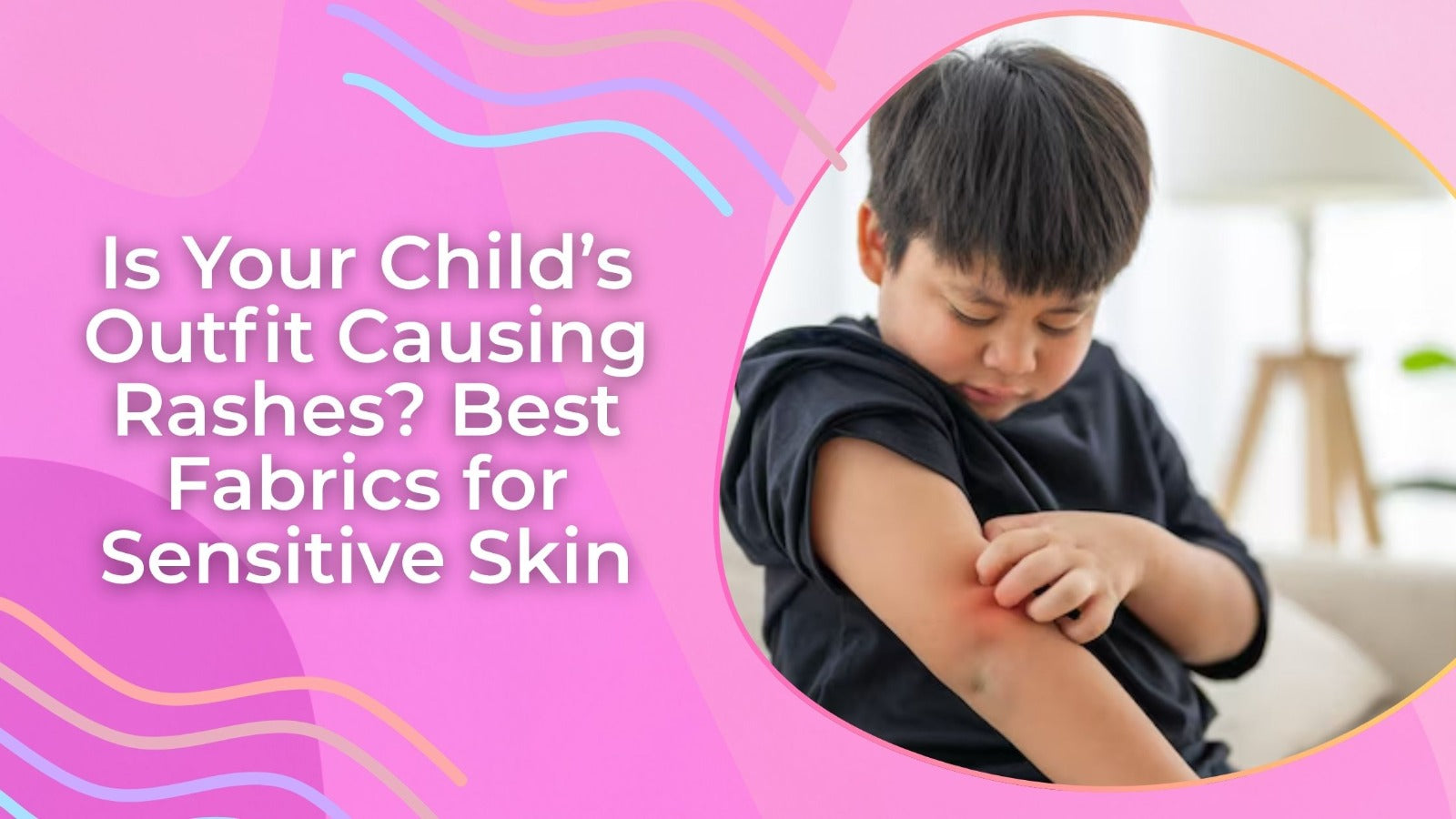
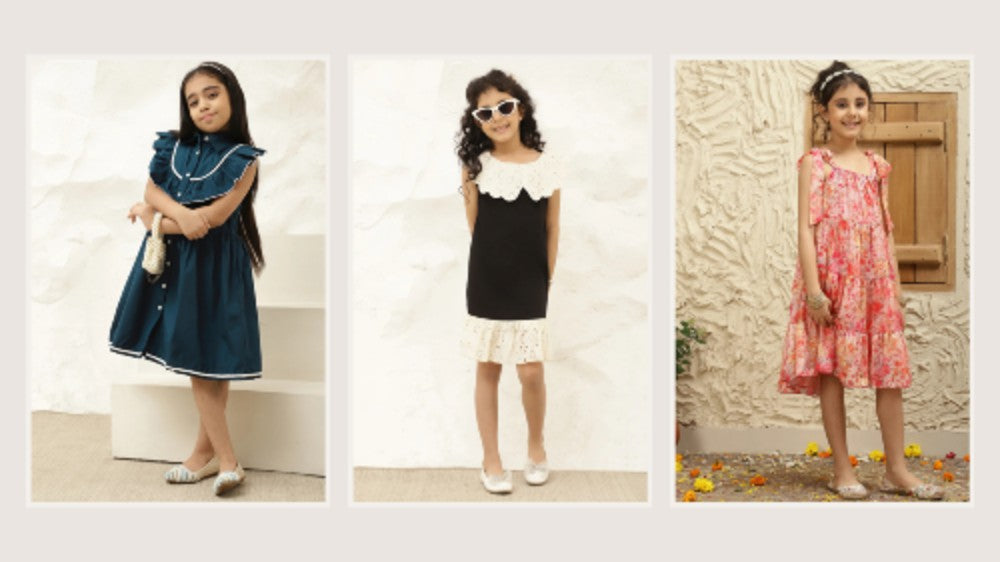
You get your child ready in the morning, maybe a cute outfit for a sunny day, something like summer dresses for girls kids. Everything looks perfect. But by afternoon, your child is scratching, feeling uneasy, or asking to change.
If this sounds familiar, you’re not alone. Many Indian parents face this, especially during summer and humid weather. And most of the time, the real issue isn’t just heat, it's the fabric.
When Clothes Start Feeling Like a Problem
Kids won’t always explain what’s wrong. Instead, they show it in small ways.
You might notice:
-
itching around the neck or back
-
Red patches after playing
-
Sweat rashes that don’t go away quickly
-
Irritation near tight areas like waistbands
At first, it feels like normal summer discomfort. But often, it’s the outfit causing trouble.
Why Kids’ Skin Reacts So Quickly
Children’s skin is softer and more sensitive than adults. Add Indian weather into the mix of heat, sweat, dust and things get worse.
When sweat gets trapped inside clothing, it creates friction. Over time, that leads to itching and rashes.
Think about wearing something heavy during peak May heat. Uncomfortable, right? That’s exactly how your child feels in the wrong fabric.
Fabrics That Don’t Work Well in Indian Summers
Some clothes may look stylish but don’t suit daily wear in our climate.
Be careful with:
-
Synthetic materials that don’t absorb sweat
-
Thick fabrics that block airflow
-
Rough stitching inside the outfit
-
Tight-fitting clothes that stick to the skin
These can make your child uncomfortable within hours.
Fabrics That Actually Keep Kids Comfortable
1. Cotton – The Everyday Essential
There’s a reason cotton dresses for girls are so popular among parents. Cotton is soft, breathable, and perfect for Indian weather.
It absorbs sweat and keeps the body cool. Whether your child is at school or playing outside, cotton helps avoid that sticky, itchy feeling.
2. Rayon – Light and Easy for Occasions
Rayon is a good option when you want something a little more stylish but still comfortable. It feels smooth and doesn’t feel heavy on the skin.
Just make sure the fabric isn’t mixed with too much synthetic material.
3. Muslin – Best for Extra Sensitive Skin
Muslin is super soft and airy. It’s ideal for younger kids or those who get rashes easily.
It almost feels like the fabric isn’t even there which is exactly what you want in hot weather.
Boys Need Comfort Just as Much
We often focus more on girls’ clothing, but boys face the same discomfort issues.
For younger kids, choosing cotton shirts for baby boy can make a big difference. Soft fabric prevents irritation around the neck and shoulders.
As they grow older, boys cotton shirts become perfect for daily wear whether it’s school, outings, or family functions. They look neat and feel comfortable at the same time.
Are Printed Clothes Safe?
A lot of parents worry about prints causing skin issues. But prints aren’t usually the problem.
What matters is the base fabric.
Good-quality printed shirts for boys made from breathable material are completely fine. Just check if the inside feels smooth and doesn’t scratch the skin.
Small Things That Matter More Than You Think
Sometimes, it’s not just the fabric. The finishing details can also cause irritation.
Pay attention to:
-
Hard tags at the back
-
Tight elastic bands
-
Thick seams inside the clothes
These small things can irritate your child even if the fabric itself is soft.
A Real-Life Situation Many Parents Relate To
A mother noticed her child coming home from school with red marks on the neck. She thought it was due to the heat.
Later, she realised the shirt had a rough collar and synthetic blend. After switching to a softer fabric, the problem disappeared.
Simple change. Big relief.
How to Choose the Right Clothes Without Overthinking
You don’t need expert knowledge. Just follow a few simple checks:
-
Feel the fabric before buying
-
Look inside for stitching quality
-
Choose loose-fitting clothes
-
Avoid anything that feels even slightly rough
If it doesn’t feel comfortable in your hand, it won’t feel comfortable on your child.
Dressing Smart for Indian Weather
Indian summers demand practical clothing.
Go for:
-
Light colours that reflect heat
-
Loose fits that allow airflow
-
Soft fabrics for daily wear
Kids are active all day. Their clothes should support that, not restrict it.
Comfort and Style Can Go Together
You don’t have to choose between style and comfort.
Today, there are plenty of options where kids can look stylish without feeling uncomfortable. When children feel good in what they wear, they naturally look more confident.
No constant scratching. No fuss.
Final Thoughts
If your child keeps getting rashes, don’t ignore it. The outfit might be the hidden reason.
Focus on breathable fabrics, soft textures, and simple designs. These small changes can make a huge difference in your child’s daily comfort.
If you’re looking for comfortable everyday options, you can explore Bug and Bees because when your child feels comfortable, everything else falls into place.
FAQs
1. Which fabric is best for kids in Indian summers?
Cotton is the best choice. It’s breathable, soft, and helps keep the body cool.
2. Why does my child get rashes from clothes?
It usually happens when sweat gets trapped or the fabric causes friction on the skin.
3. Are synthetic clothes bad for kids?
They’re not always bad, but they aren’t ideal for daily wear in hot weather.
4. What type of clothes should kids wear in summer?
Loose, light, and breathable clothes work best for the Indian climate.
5. How can I prevent skin irritation from clothes?
Choose soft fabrics, avoid tight fits, and check for rough stitching before buying.
6. How should I choose comfortable summer clothing?
Pick breathable fabrics like cotton with loose fits so air can circulate easily. Always check the inner stitching and softness before buying.
7. What are the must-have summer clothing items for kids?
Lightweight cotton outfits, easy-to-wear shirts, and relaxed-fit daily wear are essentials. These keep kids cool during playtime and outings.
8. How many outfits does a child need for summer?
Ideally, 5–7 comfortable outfits work well for regular rotation. Kids tend to sweat more, so having extras helps maintain hygiene.
9. How do I protect kids from the sun?
Dress them in light, full-coverage cotton clothes and avoid peak afternoon heat. A cap and staying hydrated also make a big difference.
10. What are the best colors to wear in summer?
Light shades like white, pastel blue, and soft yellow reflect heat better. They help keep the body cooler compared to dark colours.