Cart
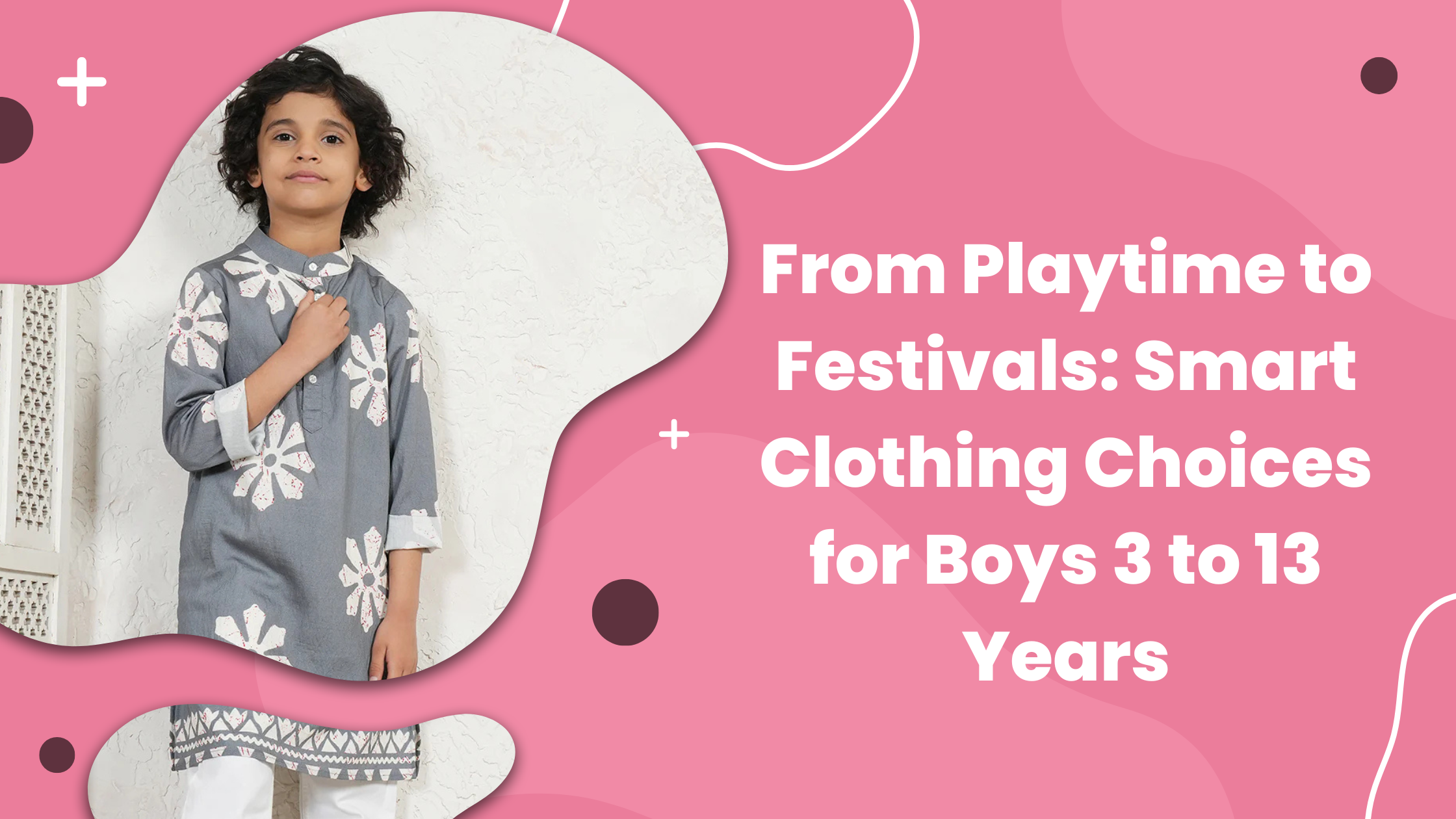
Shopping for boys’ clothes isn’t as simple as it once was. Today’s parents don’t just want something that “fits.” They want outfits that feel soft on the skin, survive long days of play, and still look presentable at family gatherings. That shift in mindset is exactly why searches for new stylish shirts for boys online keep rising across India. Parents are looking for smarter choices, not louder designs.
This guide isn’t about trends that disappear next season. It’s about understanding what actually works for boys aged 3 to 13 in real Indian homes, real weather, and real occasions.
How boys’ clothing choices have quietly changed
Earlier, boys’ wardrobes followed a simple formula. One or two shirts for outings. Something ethnic for festivals. Comfort was secondary. Now, parents think differently.
Kids today move more. They sit on the floor, run outside, attend birthday parties, and pose for photos all in the same outfit. Clothing needs to keep up. That’s why fabric quality, stitching, and fit matter just as much as appearance.
You’ll notice this shift clearly when you browse modern boyswear collections. Shirts look sharper without being stiff. Kurtas feel lighter and easier to wear. The focus has moved from “special occasion only” to “comfortable, but presentable.”
Why shirts remain the most used outfit for boys
Shirts are the backbone of a boy’s wardrobe. They work for school events, casual outings, and family functions with equal ease.
Parents often prefer full sleeve printed shirts for baby boy and younger kids because they strike a balance between protection and style. Full sleeves help with sun exposure, mosquito bites, and even minor scratches during play, while prints keep the look playful and age-appropriate.
What makes a shirt truly wearable?
-
Breathable cotton fabric
-
Comfortable arm movement
-
Prints that don’t overpower the child

Printed shirts: playful without looking messy
There’s a fine line between “fun” and “too much.” Printed shirts work best when designs feel balanced. Think small motifs, clean patterns, and colours that don’t fade after a few washes.
Printed shirts are ideal for:
-
Birthday parties
-
Family lunches
-
School celebrations
-
Casual festive days
They allow kids to express personality without feeling overdressed. Parents appreciate them because they’re easy to style and easy to rewear.
When a kurta feels like the right choice
Certain moments call for something more traditional. Festivals, weddings, and cultural events often need outfits that feel rooted yet comfortable.
A stylish kurta design for boys today looks very different from older, heavy styles. Modern kurtas focus on relaxed fits, lighter fabrics, and clean detailing. The idea is simple: let the child enjoy the event without adjusting sleeves or feeling restricted.
Choosing kurtas for growing boys
Parents shopping for ethnic wear often worry about growth. Kids don’t stay the same size for long, especially between ages 8 and 13.
When selecting a kurta, focus on:
-
Shoulder comfort
-
Sleeve ease
-
Length that allows movement
Many parents specifically look for a kurta for 10 year boy that doesn’t feel too “adult” or too childish. The sweet spot lies in simple designs with soft fabric and breathable construction.
A good kurta should feel wearable beyond one event. If a child can sit, walk, and play comfortably in it, you’ve chosen right.

Mixing modern shirts with festive dressing
One smart approach many parents follow is mixing wardrobes instead of separating them. Shirts don’t need to be only “western,” and kurtas don’t need to stay locked away for festivals.
A well-designed shirt can work with jeans or trousers for multiple settings. A kurta can be styled for smaller family gatherings without looking overdone. This flexibility saves money and avoids clutter.
Children also feel more confident wearing clothes that don’t feel unfamiliar.
Fabric decisions parents rarely regret
Design attracts attention. Fabric earns trust.
For Indian weather, cotton remains the safest choice. It allows airflow, absorbs sweat, and stays gentle on skin. This matters even more for boys who stay active throughout the day.
Before buying, parents should always check:
-
Fabric type
-
Stitch finish
-
Wash durability
An outfit that survives repeated washes and active days becomes a favourite quickly.
How parents actually browse boys’ clothing online
Most parents don’t shop in a straight line. They scroll, compare, imagine, and then decide. Blogs play a big role here. They help parents understand what suits their child instead of pushing them to buy immediately.
When parents feel informed, they feel confident. Confidence leads to action. That’s why informational content matters so much in kidswear shopping journeys.
What boys notice, even if they don’t say it
Kids may not talk about fabric or fit, but they react instantly.
They notice:
-
Whether clothes itch
-
Whether sleeves restrict movement
-
Whether they feel comfortable around friends
If an outfit passes these tests, it gets worn again. Otherwise, it stays unused.
That’s why thoughtful design always beats flashy trends.
Why thoughtful wardrobes matter more than large ones
Instead of filling cupboards with rarely worn clothes, many parents now prefer fewer, better pieces. Shirts and kurtas that work across occasions offer more value than outfits meant for one-time wear.
This approach saves time, money, and stress especially during busy festive seasons.
Frequently Asked Questions (FAQ)
1. What type of clothes are best for boys aged 3–13 years?
Boys in this age group need clothes that balance comfort and durability. Shirts and kurtas made with breathable fabrics and relaxed fits work well because they allow easy movement while still looking neat for outings and family functions.
2. How do I choose the right size when buying boys’ clothes online?
Always focus on shoulder fit and length rather than age alone. Kids grow at different speeds, so checking measurements and choosing slightly relaxed fits helps clothes last longer and stay comfortable.
3. Are full-sleeve shirts suitable for Indian weather?
Yes, full-sleeve shirts can be worn comfortably in India when made from lightweight fabrics. They also offer protection from sun exposure and work well for both casual and semi-formal occasions.
4. Which fabric is better for everyday wear pure cotton or nylon viscose?
Pure cotton is ideal for hot weather because it feels soft and breathable. Nylon viscose works well when you want a smoother look with better shape retention after multiple washes.
5. Are silk blend kurtas comfortable for children?
Silk blend kurtas are suitable for festivals and special occasions. They provide a festive appearance without the stiffness of pure silk, making them easier for kids to wear for longer periods.
6. Can kurtas be worn outside festivals?
Yes. Simple kurta designs work well for family gatherings and cultural events without feeling too formal.